Scientific overview of protein, its functions in the body, and natural food sources.
Protein is a macronutrient composed of amino acids, organic compounds that serve as building blocks for various structures and functions in the human body. Proteins are essential for the formation and maintenance of muscles, tissues, enzymes, hormones, and immune system components.
The human body recognizes approximately 20 different amino acids, nine of which are considered essential because the body cannot synthesize them and must obtain them from dietary sources. These essential amino acids are crucial for various physiological processes.
Understanding protein and its role in the body helps individuals recognize the importance of including protein-containing foods in their diet as part of a balanced nutritional approach.
Proteins form the structural components of muscles, bones, skin, and connective tissue. Collagen, a protein, provides flexibility and strength to various tissues throughout the body.
Enzymes, which are proteins, catalyze biochemical reactions essential for digestion, energy production, and countless other metabolic processes.
Many hormones are protein-based, serving as chemical messengers that regulate various bodily functions and physiological processes.
Antibodies, which are proteins, play a crucial role in the immune system's ability to recognize and respond to pathogens and foreign substances.
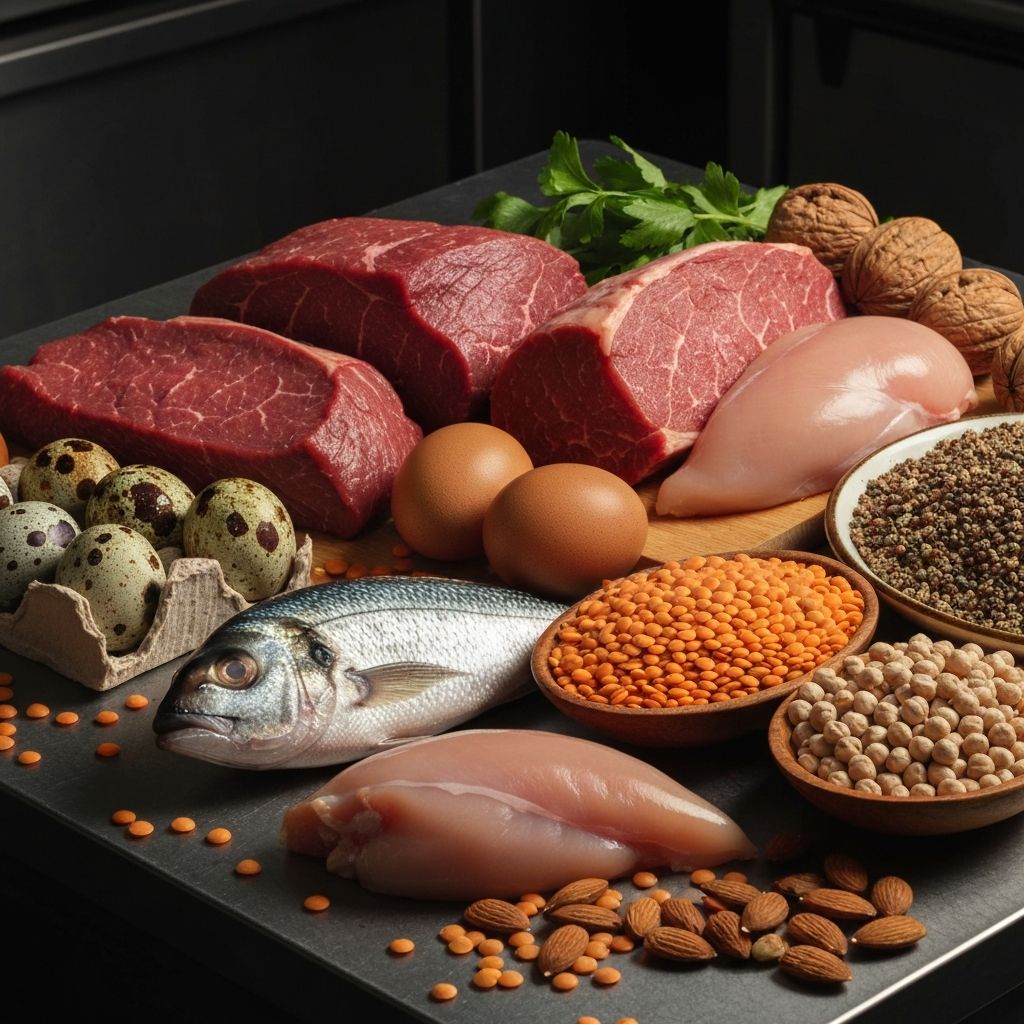
Lean meats, poultry, fish, eggs, and dairy products are excellent sources of complete proteins, containing all essential amino acids. Fish, particularly fatty varieties, also provide beneficial omega-3 fatty acids.
Legumes such as beans, lentils, and chickpeas provide significant protein along with fiber and other nutrients. Nuts, seeds, and whole grains also contribute to daily protein intake and offer additional nutritional benefits.
Incorporating a variety of protein sources ensures a diverse intake of amino acids, vitamins, and minerals. A balanced diet typically includes both animal and plant-based protein sources.
⚠️ Disclaimer: This article is for educational purposes only and provides general information about protein and nutritional science. It is not intended as personal dietary advice. Individual protein requirements vary based on factors such as age, activity level, and health status. Consult a healthcare professional for personalized nutritional guidance. Not a medicinal product. Consult a healthcare professional before use.
 Prylon